

There is a word that keeps appearing across every interior design forecast for 2026, in every trend report from Pinterest to Apartment Therapy to House Digest: Afrohemian. If you have seen it and wondered what it actually means – beyond a portmanteau of two words you already know – this guide covers the full picture.
What the trend is. Where it comes from and why it matters. What it looks and feels like in a real room. And most importantly, how to bring it into your own home without a designer budget, because this is a style built on storytelling and craft, not on spending more than you can afford.
Table of Contents
- What Is Afrohemian Decor?
- Where Did It Come From?
- Why Is It Trending So Hard Right Now?
- The Afrohemian Color Palette
- The Key Materials and Textures
- The Anchor Piece – Where to Start
- How to Build an Afrohemian Living Room on a Budget
- The Afrohemian Wall – Baskets, Art and Masks
- Textiles – The Heart of the Style
- Plants in an Afrohemian Space
- What to Avoid – Doing This With Respect
- Room-by-Room: Where Afrohemian Works Best
- Budget Shopping Guide – Where to Actually Buy
- Final Thoughts
What Is Afrohemian Decor?
Afrohemian decor is a home design style that blends African craft traditions with bohemian living principles. It focuses on handmade textiles, natural materials, earthy colors, and pieces rooted in African cultural heritage.
The result is not a style you shop for in an afternoon. It is a philosophy that puts authenticity first – rooms that feel collected over time, layered with meaning, and grounded in real craft traditions rather than algorithm-driven fast decor. DuVal Reynolds, Lead Designer at DuVal Design, describes it as “where global bohemian ease meets the richness, craft, and storytelling of African design traditions. It’s warm and textural, with a collected-over-time feel rather than anything overly polished or matchy. Artisan-driven, not algorithm-driven.”
It is worth being clear about what distinguishes Afrohemian from standard boho. Standard boho draws loosely from many global influences. Afrohemian is far more intentional – it specifically honors African heritage through materials like Adire fabric, Kente cloth, mudcloth, Tonga baskets, and Ethiopian wall art. The cultural depth is specific and meaningful.

Where Did It Come From?
The term has roots in Black creative communities long before Pinterest named it a 2026 trend. In September 2022, Apartment Therapy spotlighted Crystal Wyatt, who described her textile and natural fiber-forward style as “Afrohemian” – her mix of patterns and textures showcased both a beaded curtain and a patterned loveseat in a 190-square-foot Philadelphia studio. The style existed and had a name years before trend forecasters picked it up.
Rooted in African diaspora traditions, Afrohemian honours weaving, pottery and spiritual motifs passed through generations across West Africa and the Caribbean. It celebrates underrepresented Black influences in global design, from bold colours to organic textures, fostering authenticity over imitation.
What Pinterest and the trend forecasting world have done in 2026 is give it a mainstream platform – which brings both visibility and responsibility, which we will cover in the “what to avoid” section below.
Why Is It Trending So Hard Right Now?
The numbers are striking. Pinterest reports a 220% rise in searches for “Afrohemian home decor” in 2026. Related searches like “African boho living room” and “Afro chic home decor” are also climbing fast. Searches for “afrobohemian home decor” are up 220%, while “adire fabric” is up 130%.
But the data is a symptom, not the cause. Three deeper forces are driving this:
Sustainability. Buyers are choosing handcrafted, long-lasting pieces over disposable fast furniture. Afrohemian decor aligns naturally with that shift. Identity-led design. Pinterest’s own research found that 42% of people now only participate in trends that genuinely reflect who they are. This style offers real room for personal expression. Craftsmanship as the new luxury. Luxury is shifting from “perfect” to handmade. Pieces that show the maker’s hand and carry a story feel more valuable than mass-produced decor.
All three of these forces point in the same direction: Afrohemian decor is not a seasonal trend. It is a design movement built to last.
The Afrohemian Color Palette
An Afrohemian color palette is generally focused on rich, natural hues inspired by global landscapes – earthy terracotta, warm sand, deep ochre, dusty rust, and forest green. You will also want to look for patterns and textiles that add depth to the space while incorporating natural elements like wood, rattan, bamboo, jute, sisal, and clay.
The backdrop matters as much as the accent colors. The defining backdrop shade for 2026 is Cloud Dancer – a soft off-white that mimics natural lime wash. It acts as a calm, luminous canvas for everything bolder that follows. This palette keeps the overall space sophisticated. The bold textiles do the talking while walls and large furniture pieces stay calm.
The Afrohemian color formula:
- Walls: Cloud Dancer, warm off-white, or a very pale clay
- Large furniture: Warm neutrals – cream, warm taupe, natural linen
- Textiles and cushions: Rich terracotta, ochre, burnt sienna, forest green, deep rust
- Accents: Dark wood, soapstone, brass, hand-fired clay pottery
What to avoid: cool greys, stark whites, and clean pastels. These read as minimal-Scandi and actively work against the warmth and depth Afrohemian interiors depend on.
The Key Materials and Textures
This is where Afrohemian is most visually distinct from any other boho-adjacent style. Texture brings the Afrohemian story to life. Choose handwoven fabrics, natural fibres, warm woods and smooth soapstone to create a space that feels alive and full of soul. Combine smooth and rough textures – such as a sleek wooden stool beside a soft jute rug – for visual juxtaposition that keeps things interesting.
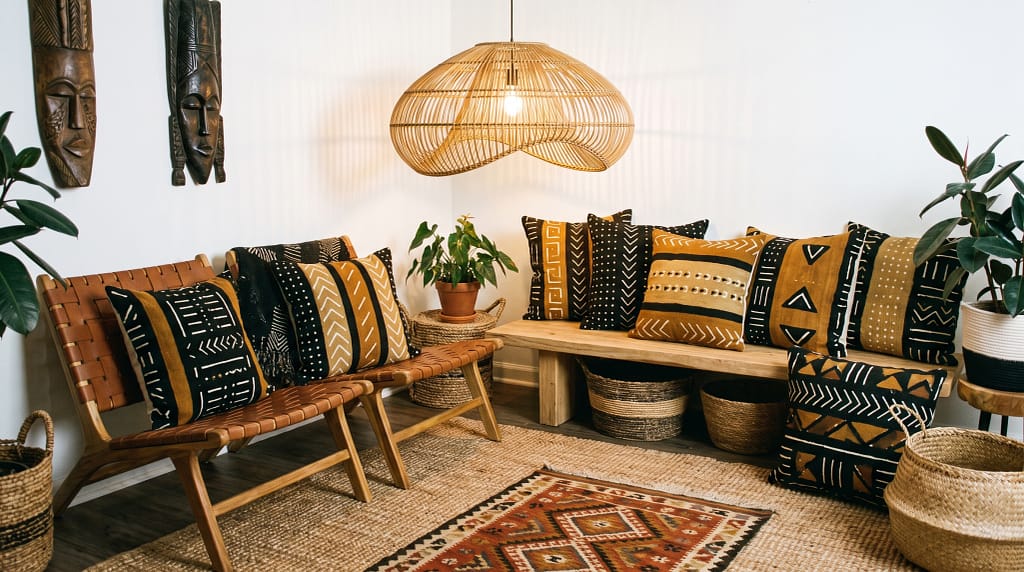
The core materials list:
Mudcloth (Bogolanfini) – a hand-woven Malian cotton fabric with geometric patterns dyed using fermented mud. Visually striking, culturally specific, and extremely versatile as cushion covers, throw blankets, or framed wall art.
Adire fabric – a Nigerian resist-dyed textile with indigo patterns. Adire works beautifully as throw pillow covers, blanket throws, framed wall art, or table runners. You can also frame small fabric pieces in simple black frames to create custom, affordable wall art with real cultural meaning.
Kente cloth – a Ghanaian silk-and-cotton woven textile with bold, structured geometric patterns and vivid color. Used sparingly as an accent rather than a dominant fabric – a single kente cushion or table runner goes a long way.
Jute, sisal, and seagrass – natural fiber rugs in these materials are the Afrohemian floor layer. They ground the space with texture and warmth and work across room sizes and budgets.
Rattan and bamboo – pendant lights, baskets, side tables, and frames in rattan keep the space breathable and light while maintaining the natural material language throughout.
Soapstone and clay pottery – sculptural objects that add grounded, tactile presence without clutter. A single hand-fired clay vase or soapstone bowl on a coffee table does more for the aesthetic than a shelf full of mass-produced ceramic pieces.
The Anchor Piece – Where to Start
Plan your Afrohemian living room around one big, beautiful anchor piece. This is the advice that comes from every designer working in this style, and it is the most practical starting point for anyone on a budget.
The anchor piece does not need to be the most expensive item in the room. It needs to be the most intentional one – a large woven rug, a significant piece of African wall art, a handcarved wooden bench, or a statement textile hung as the room’s focal point.
The most beautiful version of this trend is built on ethical sourcing, artisan collaboration, and cultural respect. Whenever possible, look for brands and studios that work directly with artisans, and treat handcrafted pieces as focal points, not disposable styling.
Everything else in the room layers around the anchor. This approach is also budget-friendly: invest properly in the one focal piece, then build outward with lower-cost textiles, plants, and market finds over time.
How to Build an Afrohemian Living Room on a Budget
Here is the honest budget breakdown for building this look room by room, starting with the highest-impact, lowest-cost moves:
Step 1 – Paint or change your wall color (low cost, high impact) Move away from stark white or cool grey walls. A warm off-white, soft clay, or very pale terracotta instantly shifts the room’s temperature toward the Afrohemian palette. This single change does more for the overall feel than almost any accessory purchase.
Step 2 – Get the rug right (medium cost, highest impact per square foot) A large jute, sisal, or seagrass rug is the foundation of the whole room. Get this right and everything layered on top of it will fall into place. Aim for a rug large enough that your sofa’s front legs sit on it – a small rug undermines the entire arrangement. Jute rugs are available across every budget point; the investment is in getting the right size, not necessarily an expensive weave.
Step 3 – Add your anchor textile (medium cost) A mudcloth throw, an Adire cushion cover set, or a Kente cloth table runner. This is your first culturally specific purchase and the one that most clearly signals the Afrohemian direction. Etsy and Afrikrea are both strong sources for authentic handmade textiles at accessible price points.
Step 4 – Layer cushions using the contrast formula Follow the same cushion principle as any well-styled sofa: two base-tone cushions in cream or warm neutral linen, one or two textured cushions in mudcloth or a bold African print, and one smaller accent in a deep earthy color. For more on the cushion formula, see our guide to styling a neutral sofa – the same layering logic applies here.
Step 5 – Build the wall over time (low cost per piece) Woven basket wall displays, framed fabric pieces, and vintage African masks can all be acquired gradually. Start with three pieces and add from there. The wall is supposed to look collected, not curated in a single weekend.
Step 6 – Add plants last (low cost, living contrast) Plants are the final layer that makes everything feel alive rather than styled. One large architectural plant near the sofa and a couple of smaller plants on shelves or a windowsill. More detail on this below.
The Afrohemian Wall – Baskets, Art and Masks
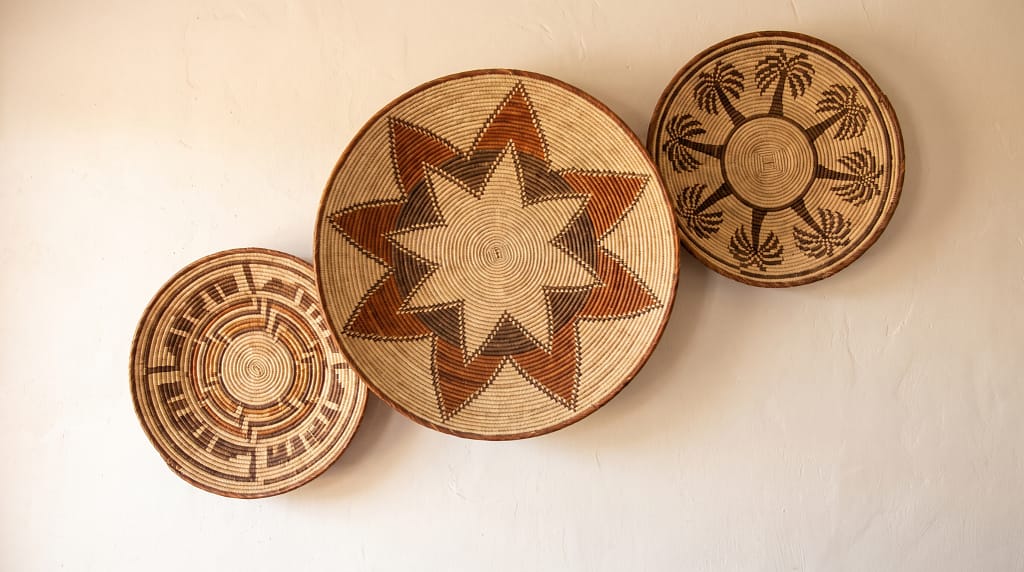
The wall display is one of the most distinctive and recognizable elements of Afrohemian interiors, and it is also one of the most affordable to build.
Woven elements like rattan pendants, wall baskets, and floor baskets are essential in Afrohemian spaces. They add texture and dimension while keeping the space light and breathable. Tonga baskets hung on walls introduce circular geometry and three-dimensional texture that turns a plain wall into a curated gallery.
How to build a basket wall on a budget:
- Start with three baskets in different sizes – a large (20-inch+), a medium (14-16 inch), and a small (10-12 inch)
- Arrange them in an asymmetric triangle rather than a straight line or grid
- Mix weave styles if possible – a flat woven basket alongside a coiled one adds depth
- Leave space between them – the wall showing between baskets is part of the composition, not wasted space
Framed fabric as affordable wall art: Frame a square of mudcloth, Adire fabric, or even a bold African print textile in a simple black or natural wood frame. This is the easiest and most affordable way to add culturally specific artwork to the room – a 50x50cm piece of fabric and a matching frame from a secondhand shop costs a fraction of a gallery print.
Vintage African masks add depth, meaning, and personal connection. Rich in history and symbolism, these pieces add stories that mass-produced decor simply cannot carry. Etsy is home to many authentic pieces, and creating a small gallery wall of two or three masks is one of the most striking and affordable Afrohemian wall approaches available.
Textiles – The Heart of the Style
If the wall is the visual signature of Afrohemian decor, textiles are its emotional core. Unlike minimalist or highly coordinated designs, this style thrives on mixing pieces from different eras, regions, and textures. Antique finds, modern furniture, and global artifacts can coexist in a single room, creating a sense of history and travel. This layering makes spaces feel collected, lived-in, and visually stimulating, while still maintaining coherence through careful attention to color, texture, and pattern.
The textile layering formula for Afrohemian interiors:
- Rug layer (base): Natural fiber – jute, sisal, or a flat-weave kilim with earthy tones
- Sofa layer: Neutral linen or cotton upholstery as the base; mudcloth or African print cushions as the accent layer on top
- Throw layer: A mudcloth or kente-inspired throw draped over one arm of the sofa
- Floor layer: A second smaller rug layered over the larger one in a heavily textured or patterned weave – this “double rug” approach is a signature of the style and adds depth at floor level
- Window layer: Loosely woven linen curtains in cream or warm white – the light filtration adds to the warm, soft atmosphere
For sofas specifically, a warm-toned velvet or a structured linen works beautifully as the base fabric. See our guide to velvet sofa colors in 2026 for shade guidance that pairs well with Afrohemian’s earthy palette – deep terracotta, forest green, and warm espresso velvet are all strong choices.
Plants in an Afrohemian Space
Afrohemian decor blends bold cultural patterns, layered textures, earthy materials, and rich greenery to create warm, expressive spaces that feel soulful and intentional. Plants are not just accents in this style – they are woven into the story of the home.
The key to plants in an Afrohemian room is integration rather than decoration. A plant sitting in a plastic nursery pot on a windowsill is not part of the Afrohemian language. A monstera in a hand-fired clay pot beside the sofa, or a trailing pothos in a woven basket hanging near a window – that is.
Bold plants with height and distinctive leaves work best. The Monstera Deliciosa offers dramatic foliage for bold spaces. Styling plants in earthy pots or woven baskets makes them feel integrated, not just placed. Neutral colors and tactile materials echo the broader decor, making plants look purposeful and curated.
Best plant choices for an Afrohemian room:
- Monstera deliciosa for height and drama
- Fiddle leaf fig for a large architectural statement
- Snake plant for low maintenance and strong silhouette
- Trailing pothos in a woven hanging basket for softness and height
Pot guidance: Avoid plastic, chrome, or clinical white ceramic pots. Terracotta, hand-fired clay, woven seagrass baskets, or matte earthy-toned ceramic are all in line with the material language of the style.
What to Avoid – Doing This With Respect
This section matters. Afrohemian decor is rooted in real cultural traditions from specific communities – West African, Caribbean, and African diaspora craft practices that have been passed down through generations. Approaching this style with respect is not just an ethical consideration, it is also what separates a genuinely beautiful Afrohemian room from a superficial one.
Buy from artisan sources where possible. Because Afrohemian decor values authenticity, prioritise pieces with a visible maker’s touch. Every basket or carving from an artisan source carries a trace of the person who made it, grounding your home in connection and cultural crafts. Sources like Afrikrea, Global Goods Partners, and 54kibo work directly with African artisans and makers – buying from them ensures your money supports the communities whose culture is influencing your home.
Avoid mass-produced “African-inspired” prints. A fast fashion brand’s interpretation of kente cloth printed on polyester is not the same thing as the real textile. The difference is immediately visible, and it undermines the authenticity that makes the style work.
Avoid costume-level elements. Tribal masks used as generic “boho” props without any understanding of their cultural context is a different thing from thoughtfully acquired vintage pieces. Approach the trend with respect and intention – “I love this trend, and when it’s done thoughtfully, it feels layered, soulful, and deeply personal.”
Go slow. The whole philosophy of this style is rooms that are collected over time, not assembled in a weekend. Buying everything at once from a single retailer produces a look that reads as costume rather than curated.
Room-by-Room: Where Afrohemian Works Best
Afrohemian decor works well in a variety of spaces, from living rooms and bedrooms to dining areas and outdoor patios. It is particularly effective in communal spaces where textiles, furniture, and decorative objects can be layered to create depth and intimacy.
Living room: The ideal canvas. Start with the anchor piece, build the wall display, layer the textiles, and add plants last.
Bedroom: A strong mudcloth headboard (or a large mudcloth hanging directly above the bed) as the anchor, layered linen bedding in warm neutrals, a jute rug under the bed, and one or two woven baskets for storage.
Dining room: A jute runner down the center of the table, mismatched hand-thrown ceramic plates, a rattan pendant above the table, and a woven basket used as a centerpiece.
Reading corner: A curved chair in warm velvet or linen, a Tonga basket used as a side table, a layered cushion in mudcloth or Adire, and one tall plant for living presence. Our curved sofa styling guide covers corner placement in more detail.
Budget Shopping Guide – Where to Actually Buy
You do not need to spend a lot to build this look. Here is a practical source list:
Authentic African textiles and crafts:
- Afrikrea (afrikrea.com) – a marketplace connecting buyers directly with African artisans, makers, and designers
- 54kibo (54kibo.com) – curated African home decor, strong on basket wall decor and wooden pieces
- Global Goods Partners (globalgoodspartners.org) – fair trade, artisan-made baskets and textiles
Affordable natural fiber rugs:
- Amazon and Wayfair both carry large jute and seagrass rugs at accessible price points – look for at least 8x10ft for a standard living room
- IKEA’s natural fiber rug range is a practical starting point for the base layer
Framed fabric art (DIY):
- Source small pieces of mudcloth or Adire on Etsy
- Frame in a simple black or natural wood frame from any home store
- Cost: under $30 per piece, often much less
Rattan and natural material accessories:
- H&M Home, Target, and TJ Maxx all carry rattan pendants, baskets, and side tables at budget prices
- Secondhand shops (thrift stores, Facebook Marketplace) are excellent for woven baskets, wooden stools, and vintage pottery
Plants and pots:
- Terracotta pots from garden centers are inexpensive and perfectly in line with the aesthetic
- Woven seagrass plant baskets are widely available at low price points
Final Thoughts
Afrohemian decor signals a deeper shift in interiors: people want identity, heritage, tactile comfort, and collected self-expression. It is more than a trend – it is a design direction rooted in craft, texture, heritage, and collected beauty.
The budget path into this style is genuinely accessible. A warm off-white wall, a large jute rug, one piece of authentic African textile used as a cushion or wall art, and a plant in a terracotta pot is already more Afrohemian than a room full of generic boho accessories. The style rewards patience, intentionality, and a willingness to buy fewer but better pieces over time.
Start with one thing. Make it authentic. Build from there.
Loved this guide? Pin it to your home decor board and share it with anyone designing a living room that actually feels like somewhere.
Related posts you might like:
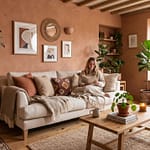
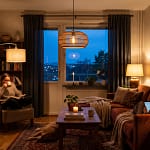
[…] For living rooms specifically, a properly handwoven rug is one of the highest-impact purchases available. A handwoven jute or cotton rug from The Handlooms adds the tactile richness that flat machine-woven alternatives lack. Furthermore they pair beautifully with the Afrohemian and earthy palette directions that are dominating 2026 interior design – for more on this see our Afrohemian decor guide. […]